
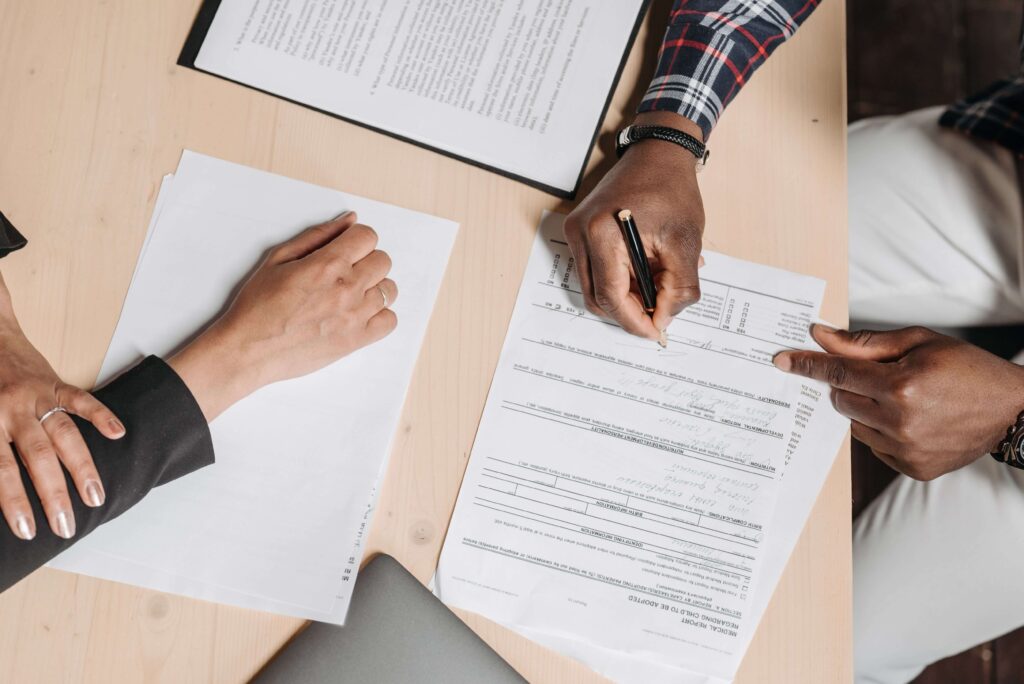
After a fall in a store or building, someone may ask you to describe the accident for an incident report. You may still be hurt, embarrassed or unsure what caused it. The report does not have to tell the whole story immediately. It should accurately record what you know.
Your health comes first. Do not delay necessary care while waiting for a manager or trying to complete paperwork.
Record the location precisely
“I fell in the store” leaves a lot unanswered. Where was the fall in relation to an entrance, aisle, checkout, staircase or elevator? Which direction were you walking? What did you notice before and after you fell?
If you saw a substance, broken surface or obstruction, describe it in ordinary language. If you do not know what caused your foot to move, say so. You can describe a wet area seen afterward without claiming you watched someone spill it.
A useful report separates facts from assumptions
Before signing, read the wording. Check names, dates and the description of the location. If someone else wrote the report, ask for an inaccurate statement to be corrected. Do not adopt a guess just because a form asks for a definite answer.
- The date and approximate time of the fall.
- The exact area and what you were doing.
- Conditions you personally noticed.
- The names or roles of people who responded.
- Witness contact information, if available.
- Whether medical assistance was requested.
A simple factual note might read: “At about 2:15 p.m., I fell beside the entrance mat. Afterward, I saw water on the tile next to the mat. I reported the fall to the person at the front desk.” That is an illustration of clear recording, not a statement to copy if it does not match your experience.
Ask for a copy, but keep your own record too
Ask whether you can receive a copy or a report number. Record who took your account and how you can follow up. A private business may not hand over an internal document on request; do not assume access is automatic.
If you cannot get a copy, make your own dated note as soon as you reasonably can. Save emails about the report. Keep photographs and video in their original form, along with treatment records. Do not return to an unsafe area to gather more evidence.
Watch for documents that do something different
An incident report records an event. A release, settlement agreement or authorization can have a different purpose. If you are asked to sign another document, find out what it does. A promise that it is “just standard paperwork” is not an explanation of its terms.
Also note possible cameras and the approximate time range they might show. Asking that footage be preserved and obtaining a copy are separate steps. Tell an attorney promptly if relevant recordings may exist.
Put the report in context
A report can help establish that an incident was communicated, but it does not decide responsibility by itself. The condition, surrounding circumstances and other evidence still matter. Our slip, trip and fall page explains what an initial claim review may involve. You can contact the firm even if a copy of the report is not yet available.
Frequently Asked Questions
Can I ask for an error in the report to be corrected?
Yes. Identify the statement you believe is wrong and keep a copy of your correction request. Do not alter the original document yourself.
What if nobody offered an incident report?
Write down when and to whom you reported the fall, if you did. Preserve your own account and available evidence. The absence of a report does not answer every question about a possible claim.
Should I describe every symptom on the spot?
Be accurate about what you are experiencing and seek appropriate care. If you do not yet know the nature or extent of an injury, do not guess or say you are uninjured simply to finish the form.