
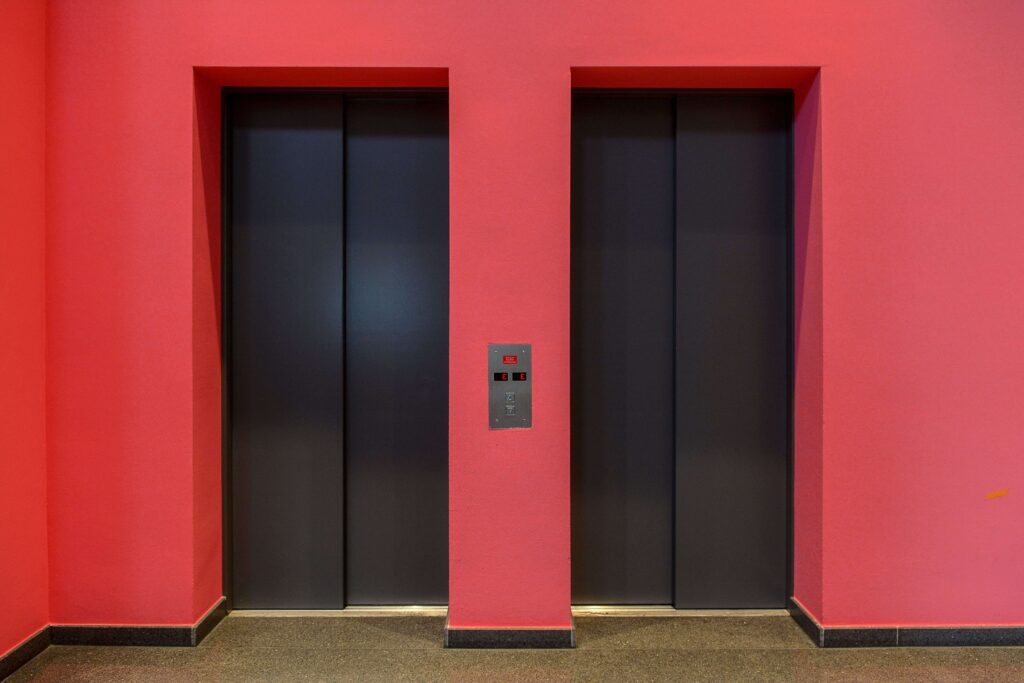
You expect the elevator floor to meet the landing when the doors open. If it stops above or below that level, a small-looking gap can cause a person to stumble. The term often used for an uneven stop is “misleveling.” It describes the position, not the reason the elevator stopped there.
After an injury, the useful question is what can be documented safely. Nobody should step back into a hazardous doorway to reproduce the accident.
Identify the elevator, not just the building
Write down the address, approximate time, floor and direction of travel. If the building has several elevators, note the bank, location or identifying number if it can be seen safely. “The elevator near the side entrance” may be a helpful start if you do not know the number.
Record whether you were entering or leaving and what you observed before stepping. Keep the distinction between an uneven cab, a damaged threshold and an unrelated floor condition. They may lead to different questions about the incident.
Keep photographs in context
If a safe photograph is available, preserve the whole file. A wider image may show the doorway and landing; a closer one may show the difference in level. Note when each was taken, especially if it was after the elevator moved or someone attended to it.
A photograph cannot reliably explain every mechanical cause. Do not add measurements you did not take, and do not force the doors, access equipment or interfere with the device.
Tell building staff what happened
Ask who is recording the incident and whether there is a report number. Keep your message to management and any response. If witnesses were present, save their contact information with their permission. Note possible cameras and the relevant time range.
An elevator may be taken out of service or adjusted after an incident. Keep the chronology clear: what you saw, when you reported it and what you later learned. A later repair is not a substitute for investigating the earlier event.
Why maintenance information may matter
The NYC Department of Buildings describes elevator maintenance and inspection responsibilities. Maintenance records, service calls and earlier complaints may be relevant to understanding a particular condition.
That does not mean an injured visitor can obtain every record simply by asking a building employee. An attorney can assess which records matter, who may hold them and the appropriate way to seek preservation or disclosure. Responsibility also depends on the roles of the owner, manager, service company and any other involved party.
Prepare a short incident file
- Address, elevator identifier, floor and time.
- Your own account and any witness details.
- Original photographs or videos.
- Management report and correspondence.
- Treatment records and related expenses.
- Information about possible cameras or earlier similar incidents that you actually know about.
Our elevator accident page explains the broader claim review process. You can contact the firm before all records are available.
Frequently Asked Questions
Is every trip at an elevator entrance a misleveling accident?
No. A threshold, floor condition or other circumstance may be involved. Describe what you observed rather than choosing a technical explanation in advance.
What if the elevator worked normally a few minutes later?
Record that fact too. A later normal stop does not tell the entire story of an earlier event, but both observations belong in an accurate account.
Do I need the maintenance company’s name before calling?
No. The building address and available details are a useful starting point. Do not delay a consultation solely because you cannot identify every company.